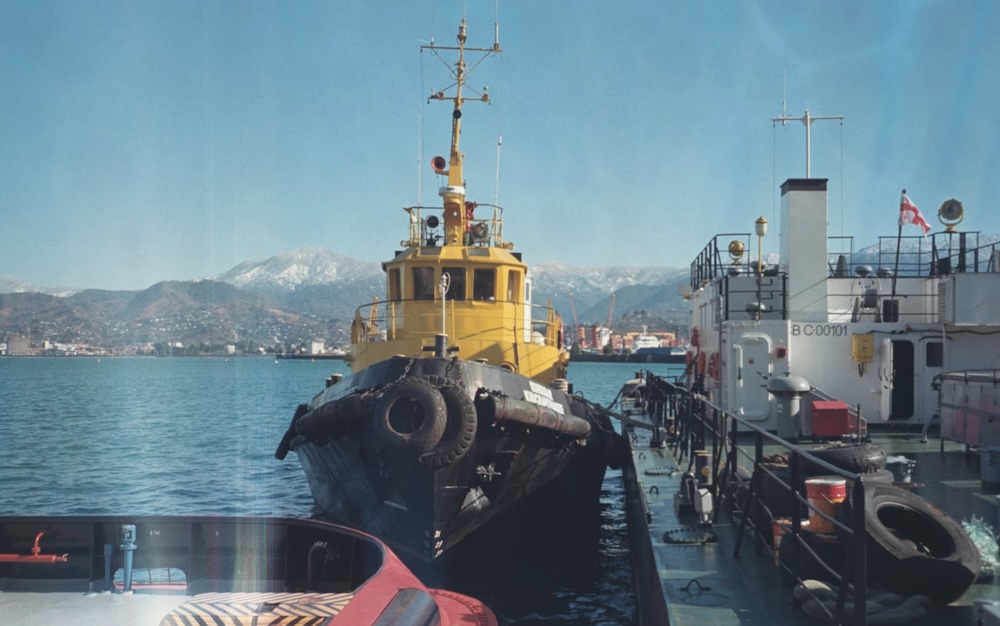
The European Union is considering adding Georgia’s Black Sea port of Kulevi to its upcoming 20th sanctions package. Brussels suspects the port is being used as a transit hub for Russia’s “shadow fleet” to export crude oil, helping Moscow bypass international sanctions and fund its war in Ukraine.
Scrutiny intensified after a Russian tanker delivered over 105,000 metric tons of oil to a newly built refinery in Kulevi. This facility is owned by figures with close ties to Georgia’s ruling party (Georgian Dream) and alleged connections to Russian military intelligence
Azerbaijan’s state oil company, SOCAR, owns a separate, older terminal at the port. Azerbaijani state media opposes the potential sanctions, arguing they are unjustified, distract from bigger sanctions-busters in Europe, and could harm the region’s trade infrastructure.
Georgian Prime Minister Irakli Kobakhidze denies the allegations, insisting his government strictly complies with the sanctions regime and has been transparent with the EU.
If adopted, this would mark the first time the EU has directly sanctioned third-country ports over Russian trade. The broader sanctions package also targets banks and technology exports in Kyrgyzstan and Tajikistan.
These sanctions would further damage Georgia’s already strained relationship with the West. The country’s EU accession talks are currently stalled, and recent diplomatic tours of the Caucasus by both EU and US officials pointedly skipped Georgia entirely.